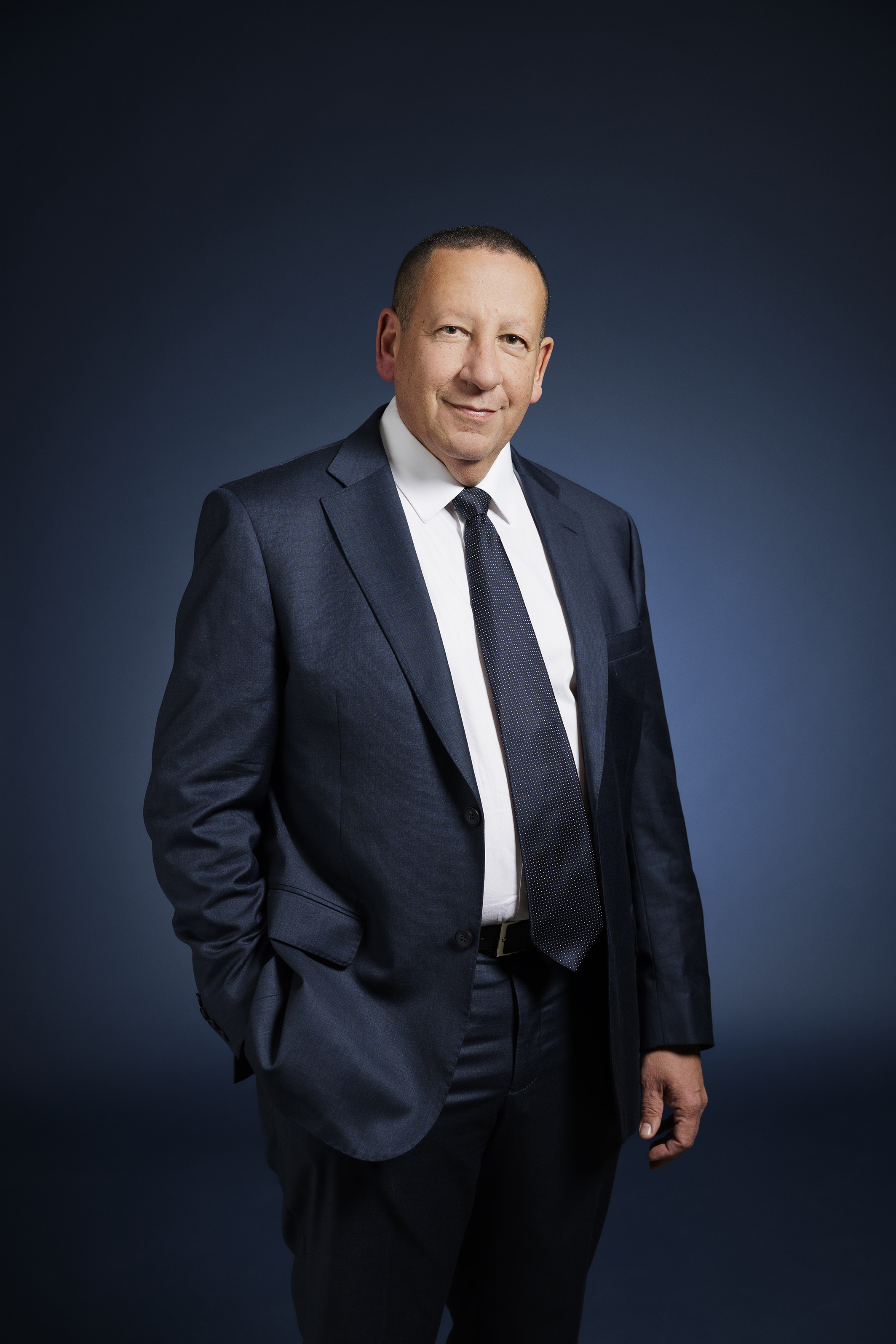
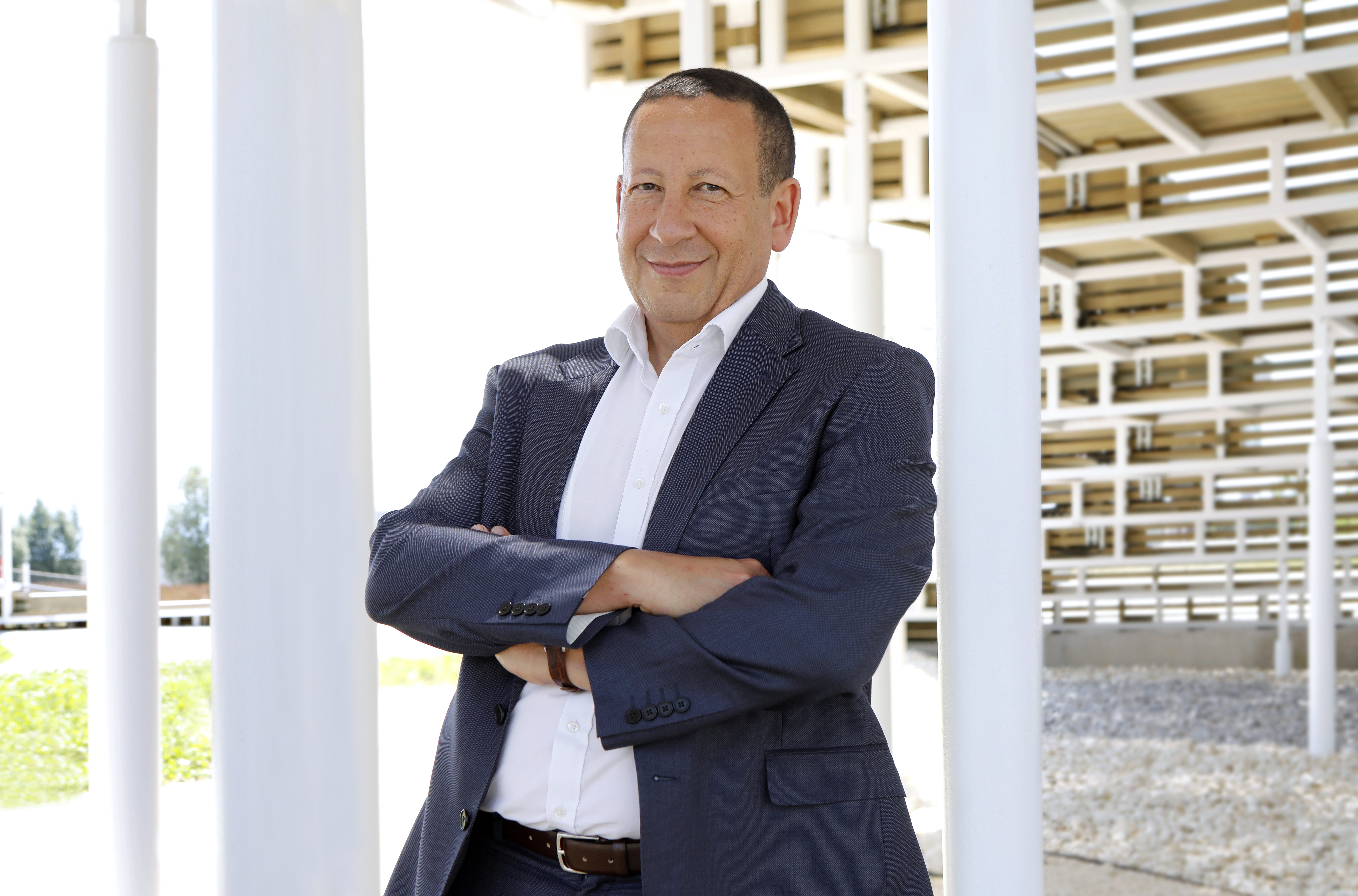
I have spent thirty years proving it - through research, through spin-offs, and through the engineering solutions that will define how cities survive the next century.
"Most people have never thought about what lies beneath their city. I have spent three decades turning that invisible world into solutions for climate, energy, and the built environment."
I am Chair Professor at EPFL and Director of the Laboratory of Soil Mechanics. My research transforms underground infrastructure into renewable energy sources, permanently sequesters CO2 in geological formations, and engineers soils using nature's own chemistry. Five spin-off companies - including Enerdrape, ranked in the Swiss Top 100 for three consecutive years - have taken this science into the real world.
Beyond the laboratory, I serve as Vice President for Europe of the International Society for Soil Mechanics and Geotechnical Engineering, and am a candidate for its global presidency in 2026.
My work moves between the laboratory, the lecture hall, and the boardroom. Each reinforces the other. Science without application is incomplete. Impact without rigour is unreliable.
Four interconnected programmes addressing the underground dimension of the climate transition. 400+ publications, 13 books, 20,000+ citations.
02Sixty keynote lectures across five continents. Advisory roles with global engineering bodies, industry, and government. Executive education at EPFL.
03Commentary, interviews, and opinion on the future of geotechnical engineering, sustainability, and the global profession.
On the future of sustainable practice, the profession's responsibility to the climate challenge, and the DFI John Mitchell Lecture.
2025 Les DécouveursA wide-ranging interview on what the ground can do for humanity's greatest challenges. Nuclear waste, CO2, energy, bio-cementation. 24,000+ views.
2025 World Economic Forum · DavosPanel contribution at the Braillard Foundation luncheon during the 56th Annual Meeting of the World Economic Forum, Davos. January 2026.
2026 YouTube / EPFLHow bacteria that have been cementing grains for billions of years became a commercial product with a 50% lower carbon footprint than Portland cement.
2024I speak to audiences who need to understand the underground dimension of the climate challenge - engineers, policymakers, investors, and executives navigating the energy transition.